

If you've ever stood in a beauty aisle or scrolled through an online shop, feeling genuinely confused about what "clean" actually means, you are not alone. And more importantly, your confusion is not your fault.
The term "clean beauty" has no legal definition. No governing body regulates it. No federal agency enforces it. That means any brand, retailer, or product can use the word "clean" on their packaging, in their marketing, or across their website without meeting a single standardized requirement to back it up.
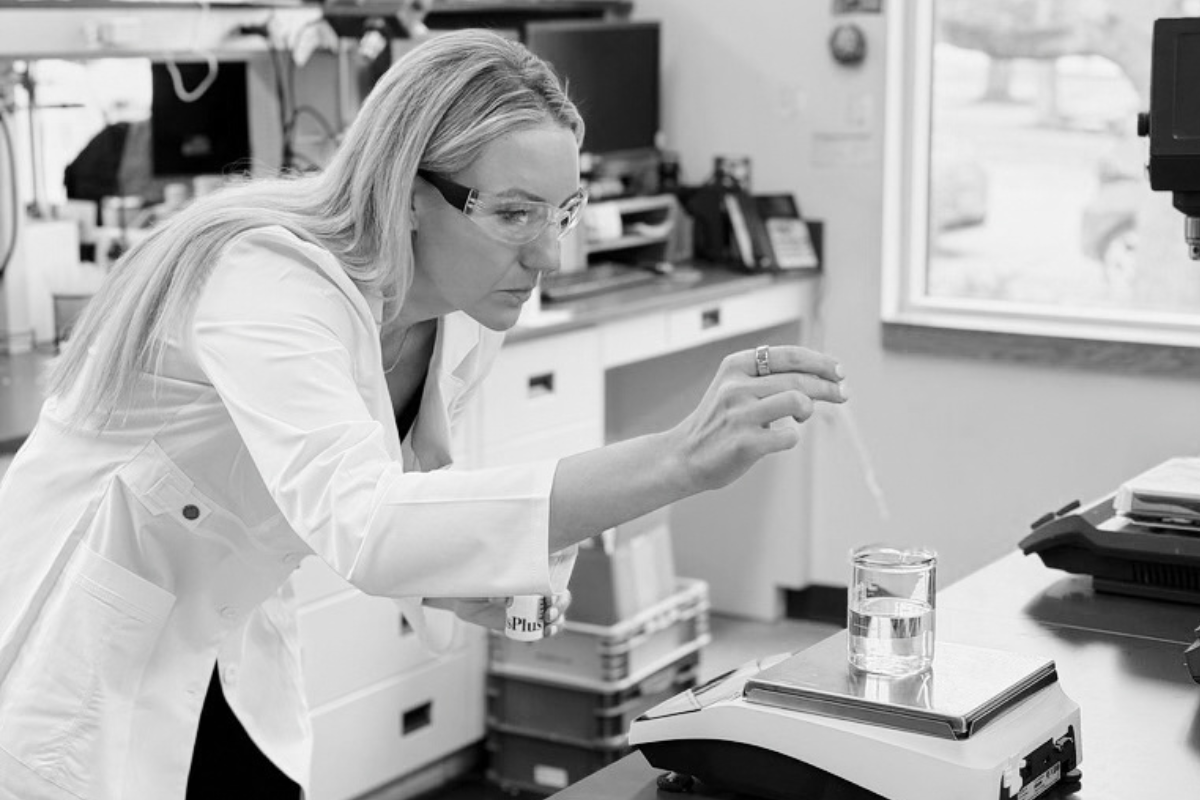
As a Board-Certified Nurse Practitioner with over fifteen years of studying ingredient safety and over a decade of experience in product development, I want to give you the definition that the beauty industry has been unwilling or unable to provide. Not a marketing definition. Not a retailer's definition. The real one.
Why "Clean Beauty" Is So Hard to Define
The confusion starts early. Most consumers learn about beauty products through marketing, and marketing has taught us to associate certain words and symbols with safety. The problem is that none of these associations are reliable.
Here are some of the most common terms consumers mistake for "clean":
Vegan means no animal-derived ingredients. It has nothing to do with ingredient safety. A product can be 100% vegan and still contain endocrine disruptors, carcinogens, or undisclosed synthetic fragrance chemicals.
Cruelty-free is an important ethical position against animal testing, but it is not an ingredient-safety standard.
Natural or botanical imagery on the packaging signals nothing about what is inside the bottle. Plant graphics and earthy aesthetics are design choices, not safety disclosures.
Essential oils or a botanical ingredient in a formula do not, by default, make the rest of the formula clean. This is often used to distract from the undisclosed synthetic fragrance that is actually giving the formula its scent.
"Free of" claims such as "paraben-free" and "sulfate-free" tell you what recognizable buzzword ingredient categories a brand may avoid, but they tell you nothing about what remains in the formula.
Each of these creates a false sense of security. Unfortunately, the beauty industry, including some of its largest retailers, has, intentionally or not, made this worse.
How Major Retailers Have Muddied the Waters
In recent years, Sephora, Ulta, and Target have introduced their own "clean" certification programs. While I commend the effort to create some standard in an unregulated space, these programs have introduced a new layer of consumer confusion and share a common, critical flaw.
“Clean at Sephora” restricts a defined list of ingredients but permits synthetic fragrance at up to 1% of the formula, with full disclosure only "highly encouraged" and not required. In the United States, "fragrance" and even “natural fragrance” are legally protected trade secrets that can conceal thousands of undisclosed chemical components, including phthalates and formaldehyde-releasing compounds that the same seal claims to exclude. That single loophole undermines the entire program. Sephora also carries an additional sustainability-focused seal that is frequently mistaken for a higher level of ingredient safety. It is not.
“Conscious Beauty at Ulta” certifies brands across five pillars: Clean Ingredients, Cruelty-Free, Vegan, Sustainable Packaging, and Give Back. A brand only needs one or two to qualify to display the badge. In 2025, a class action lawsuit was filed against Ulta, alleging that products under its Conscious Beauty banner contained ingredients on Ulta's own prohibited list. A program that allows ingredient compliance to go unverified can be flawed and inconsistent.
“Clean at Target” restricts a defined ingredient list but does not ban synthetic fragrance, with the exception of synthetic musk compounds. Its own fine print defines "formulated without" as less than 100 ppm in the finished product, a threshold set by the company and not verified by any independent party. Cruelty-free status is designated and validated by each brand, meaning it is self-certified.
The pattern across all three programs is the same: fragrance loopholes, no mandatory third-party lab testing, and compliance that relies on brands policing themselves. A retailer's clean seal is a starting point, not a finish line.
So What Does Clean Beauty Actually Mean?
True clean beauty is not defined by a "free of" list.
Any brand can remove parabens and call itself clean. Removing a handful of well-known problematic ingredients does not make a product clean. It makes it slightly less of a problem.
Real clean beauty begins with a fundamentally different question. Not "what did we leave out?" but "what do we know about every single ingredient we are putting in?", and “how do those ingredients interact in the final formula?”
Here is what that actually looks like.
Every ingredient is vetted, not just named. An ingredient on a label is a name. What that name represents can vary dramatically depending on how it was sourced, processed, and manufactured. For example, two products could list the exact same ingredient, and that ingredient could be extracted via steam with no residual contaminants, or it could be processed with solvents like hexane, and carry residual contamination risks that would never appear on any label.
Consider ethoxylated ingredients, a class widely used in beauty products. The ethoxylation process can introduce 1,4-dioxane, a probable human carcinogen, and ethylene oxide, a known human carcinogen, as processing byproducts. Neither is required to appear on an ingredient label. Neither will show up unless someone specifically tests for it.
Full ingredient transparency, including fragrance. In the United States, brands are not required to disclose the individual components of fragrance. The word "fragrance," or "parfum," "aroma," "flavor," "natural fragrance," or "natural flavor," can legally conceal thousands of undisclosed chemical components. A truly clean brand does not hide behind trade secrets, proprietary blends, or marketing language. A consumer should not have to wonder what is behind the word "fragrance" in a formula. A clean brand answers that question on the label before it is ever asked.
Investment in higher-purity ingredients. True clean beauty requires active investment in ingredient quality, not just avoidance of the worst options. For example, this means choosing the highest-purity iron oxide colorants with the lowest risk of naturally occurring heavy metal contamination, such as lead, arsenic, cadmium, and mercury. This is a more expensive choice, but one that reduces risk compared to the default option.
It also means using essential oils verified for purity through Gas Chromatography-Mass Spectrometry (GC-MS), the gold standard for essential oil analysis. GC-MS testing identifies chemical constituents, detects adulteration, and verifies that an oil matches its expected botanical profile. Adulteration, meaning the dilution or contamination of essential oils with synthetic compounds or cheaper oils, is far more prevalent than most consumers realize. Without independent purity testing, there is no way to know what you are actually applying.
This also means choosing plant-derived over petroleum-derived ingredients where possible, using organic ingredients where meaningful, and sourcing non-GMO ingredients. The non-GMO standard is common in clean food but almost never discussed in beauty, despite its relevance to both human health and environmental impact.
How to Evaluate Whether a Brand Is Truly Clean
Given everything above, here is a practical starting point for evaluating any brand's clean claims.
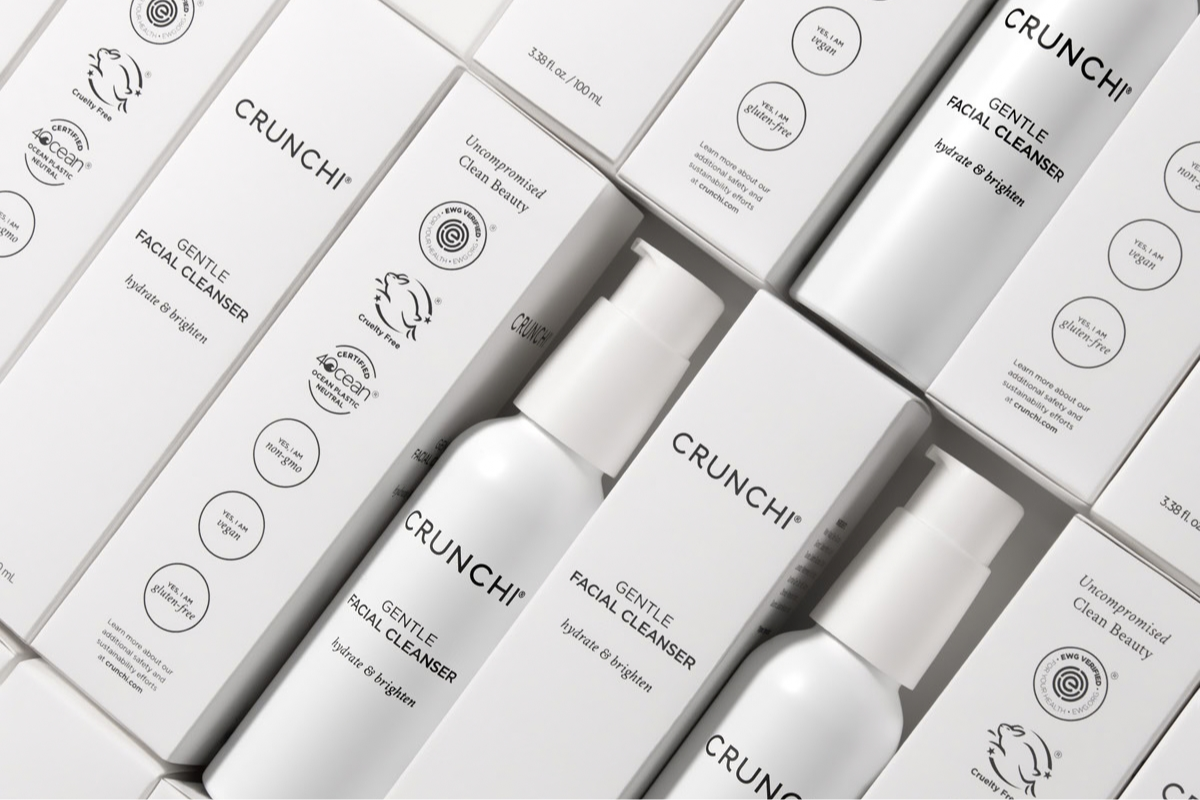
Has an independent organization verified the product? Don’t rely on just whether the brand says it is “clean”. Look for certifications from organizations such as EWG Verified, which require rigorous ingredient review and ongoing compliance.
Is there fragrance transparency? This means that if a product lists "fragrance," "natural fragrance," "parfum,” “aroma,” “flavor,” “natural flavor” (or similar) without further disclosure, that is a concerning gap regardless of what else the label says.
Does the brand know the source or origin of the ingredients? Are essential oils GC-MS tested for purity? Are ingredients organic or non-GMO, where applicable and possible?
Also, does the brand conduct third-party testing at the ingredient or finished formula level? Purity and contaminant testing, particularly heavy metal screening on higher-risk raw materials such as colorants, charcoal, clays, and others is non-negotiable for a brand that is concerned about consumer safety.
A Note on What I Learned and Where I Learned It
My clinical training as a nurse practitioner provided a foundation in physiology, pharmacology, and the interactions of substances with the human body. It did not teach me ingredient safety in cosmetics. That was not part of the curriculum. Much of what we now understand about the cumulative effects of environmental chemical exposures on endocrine function, reproductive health, immune response, and cancer risk was not part of the mainstream conversation when I was in school.
What I have learned about ingredient safety, I learned independently, driven by a deep concern about what was missing from the public conversation. The gap between what consumers assume is being monitored and what is actually being monitored is vast. The FDA is not checking your moisturizer for phthalates. No one is required to test your foundation for 1,4-dioxane. No law requires a brand to tell you what is in the fragrance in your serum.
That is the environment we are navigating. And that is why the definition of clean beauty matters, not as a marketing term, but as a genuine standard that protects human health.
The Bottom Line
Clean beauty is not a badge. It is not a "free of" list. It is not a retailer's curation program, a vegan certification, or a commitment to sustainable packaging.
Clean beauty is a meticulous, evidence-based, transparently documented commitment to knowing and being able to prove exactly what is in every product, where every ingredient came from, how it was processed, and how it was tested.
It means turning every stone, pulling back every curtain, and never asking a consumer to simply trust the label. That standard exists. Meeting it is demanding, expensive, and time-consuming, but it is the only definition worth having.
Melanie Petschke is a Board-Certified Nurse Practitioner and co-founder of Crunchi, an EWG-verified clean beauty brand. She has over 15 years of experience studying ingredient safety and over a decade in product development. She writes about ingredient safety, clean living, and the science behind what we put on our skin.

Leave a comment
This site is protected by hCaptcha and the hCaptcha Privacy Policy and Terms of Service apply.